
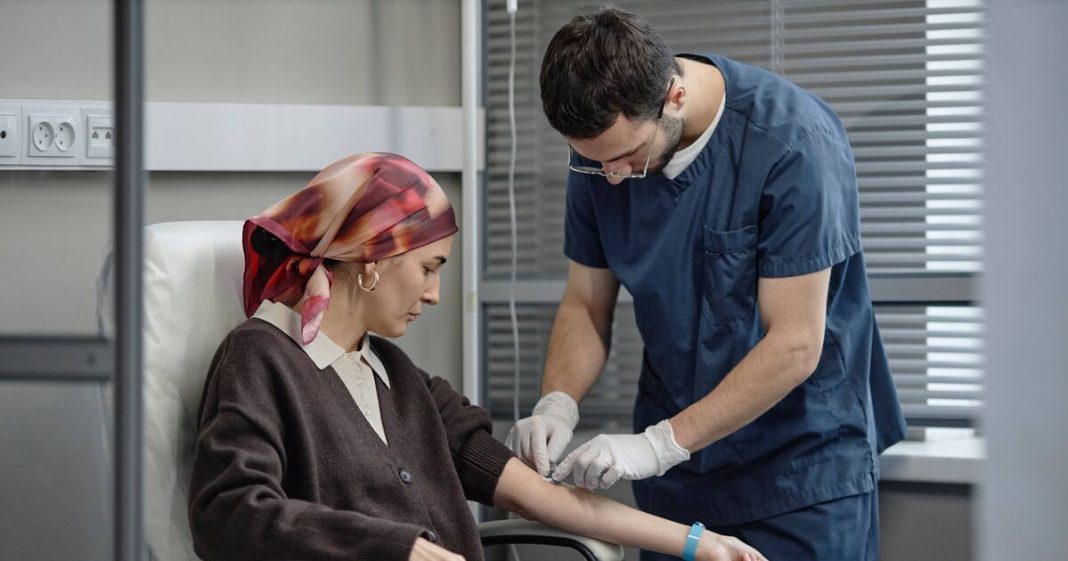

New research has uncovered that 11 types of cancer are on the rise among younger people in England, with lifestyle factors — most notably soaring obesity levels — believed to be a contributing factor. While cases in younger age groups remain relatively uncommon, the findings raise serious concerns about how daily habits could be affecting long-term health.
With this in mind, Dr Donald Grant, GP and senior clinical adviser at The Independent Pharmacy, sets out the key lifestyle habits that could be heightening your cancer risk, helping people make better-informed decisions to safeguard their health.
He said: “Recent research highlighting a rise in certain cancers among younger people is a reminder that our everyday habits can have a long-term impact on our health. Cancer can be influenced by a range of factors, including genetics; however, lifestyle choices also play a significant role in determining overall risk. With this in mind, let’s explore the lifestyle habits that could be increasing your cancer risk.”
Being overweight or obese
Dr Grant said: “Firstly, not managing weight effectively is one of the most significant lifestyle-related risk factors for cancer, with growing evidence linking it to a range of types, including bowel, breast and pancreatic cancer. Excess body fat can have a negative impact on hormone levels, including insulin or oestrogen, which can encourage cancer development over time. Maintaining a healthy weight through a balanced diet and regular exercise is one of the most effective ways to reduce overall risk.”
Physical inactivity
Dr Grant said: “Not remaining active can further heighten the risk of cancer by further contributing to weight gain. Exercise plays an important role in regulating hormones, reducing inflammation and supporting immune function. Even moderate activity, such as daily walking, can make a meaningful difference over time. According to data from the Department of Health and Social Care, over one in five (22%) adults are physically inactive, highlighting the prevalence of this risk factor.”
Excessive alcohol consumption
Dr Grant said: “Drinking too much alcohol can massively impact our health and well-being, increasing the risk of certain cancers such as liver, breast and mouth cancer. Alcohol can damage cells and make it harder for the body to repair itself effectively over time. Reducing alcohol intake, or avoiding it altogether, is one of the most effective ways to lower this risk and support long-term health.”
Smoking
Dr Grant said: “Like alcohol, smoking is one of the worst habits we can engage in when it comes to long-term health. It is a leading cause of cancer, particularly lung cancer, but is also linked to cancers of the mouth, throat and bladder. Data reveals that while smoking is on a downward trend, over 10% of adults in the UK still smoke, meaning it remains a significant public health concern. Quitting smoking is one of the best things people can do to reduce cancer risk and maintain a healthy lifestyle.”
Consuming processed foods
Dr Grant said: “What we eat has a massive impact on our day-to-day well-being. A diet high in processed foods, red meats and low in fibre can negatively impact long-term health and has been linked to certain cancers, particularly bowel cancer. Diets lacking in fruit, vegetables and whole grains may also deprive the body of essential nutrients and antioxidants that help protect against cell damage.”
Prolonged sun exposure
Dr Grant said: “Spending extended amounts of time in direct sunlight without substantial protection from harmful UV rays can increase the risk of skin cancer. Ultraviolet (UV) radiation can damage skin cells, particularly during peak hours or when sunburn occurs. Using sunscreen, wearing protective clothing and limiting sun exposure can help reduce this risk. A lot of people don’t realise that UV rays can penetrate through clouds and even glass, making protection essential all year round.”
Inadequate sleep and persistent stress
Dr Grant said: “It’s often overlooked, but poor sleep and chronic stress can indirectly contribute to cancer risk by affecting hormone balance, immune function and lifestyle behaviours. Over time, this can make it harder for the body to repair damage and maintain overall health. Aiming for seven to nine hours of uninterrupted rest each night and managing stress are important for long-term wellbeing.
“Overall, as cancer continues to rise among young people, it’s vital that Brits understand the harmful lifestyle habits that can further increase their risk. By adopting a well-balanced diet, avoiding bad habits such as smoking or excessive drinking, anyone can improve their long-term health.”
Dr Grant qualified as a doctor in Bristol in 1985. He has wide clinical experience as a GP in and around the city.