
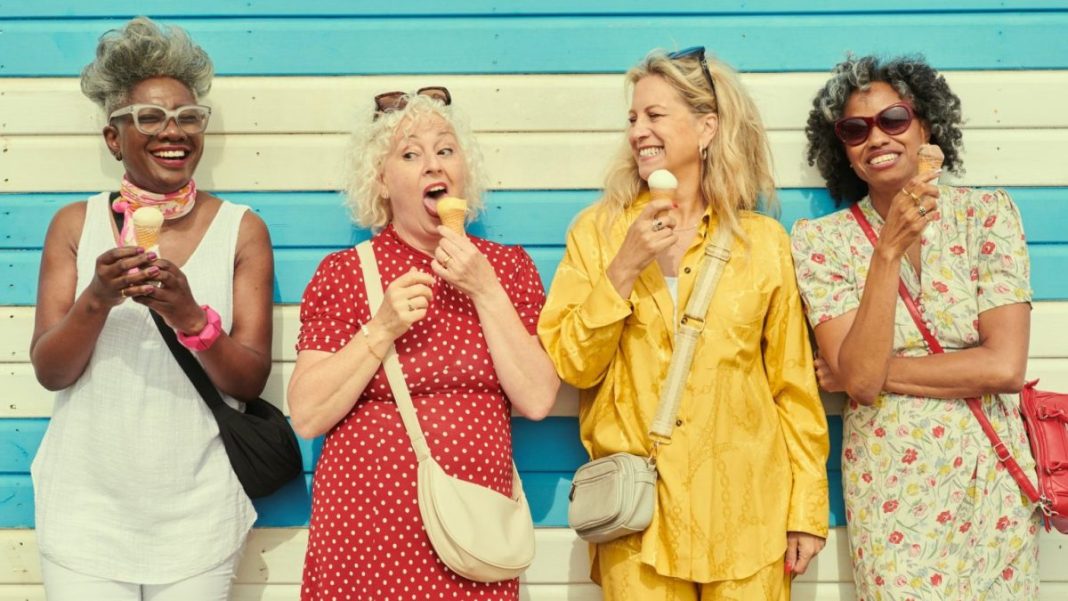

In theory, summer should make healthy living easier. There is more daylight to get outside in, more fresh produce to eat, more chances to swim, walk and socialise, and less temptation to spend evenings hibernating under a blanket.
The trouble is, summer is not automatically good for us. It also tends to mean later nights, hotter bedrooms, more drinking, more barbecues, more sitting around on long journeys and – if we are not careful – more damage to our skin.
Here, doctors explain which summer habits are worth leaning into for a longer, healthier life – and which ones are best avoided.
THE HABITS THAT COULD HELP YOU LIVE LONGER
Eating seasonally

Summer is one of the easiest times of the year to eat more fruit and vegetables, and making the most of what’s naturally in season can give your body a welcome nutritional boost.
“Fruits that are in season in summer – such as blueberries, strawberries and raspberries – are full of vitamins, minerals and antioxidants,” says Dr Angela Rai, GP and longevity expert at The London General Practice. “They contain anthocyanins, plant compounds that help reduce inflammation, lower the risk of heart disease and support cognitive function.
“Peak-season tomatoes and pink fruits, such as watermelon and pink grapefruit, also contain lycopene, an antioxidant with anti-inflammatory properties that may offer mild protection against sun damage – although it’s certainly not a replacement for sunscreen.”
Spending more time outdoors
Making the most of bright summer mornings isn’t just good for your mood – it helps keep your body’s internal clock running as it should.
“Spending time outdoors, particularly in the morning, supports circadian rhythm and metabolic health,” says Dr Nadia Ahmad, GP and founder of The Weight Care Clinic. “Morning daylight helps reset your body clock, improving sleep, hormone regulation and energy levels.
“A healthy circadian rhythm is linked to better metabolic health, lower rates of chronic disease and healthier ageing.”
Switching off

Summer can be a good opportunity to slow down, but switching off is about more than simply taking annual leave. Building regular periods of rest into everyday life can benefit both your physical and mental health.
“Effective stress management and adequate rest contribute to overall wellbeing and support long-term health and longevity,” says Dr Vanessa Clewett, GP and health assessment doctor at Nuffield Health.
Summer holidays are a great way of switching off – but even if you aren’t going away this year, you can incorporate more rest into the season. Clewett recommends taking regular breaks away from your desk and incorporating short “exercise snacks” throughout the day to break up long periods of sitting.
Going Mediterranean
You don’t have to holiday on the Amalfi Coast to enjoy the benefits of a Mediterranean diet. In fact, many of its staples are at their best during the British summer.
“Salads, pulses, oily fish and olive oil all fit a Mediterranean-style diet, which has some of the strongest evidence for reducing cardiovascular events and supporting healthy ageing,” says Dr Syed Afzal Sohaib, consultant cardiologist at HCA Healthcare UK The Wellington Hospital.
Rather than focusing on strict rules, the Mediterranean way of eating centres on simple, minimally processed foods: plenty of vegetables, beans and lentils, wholegrains, nuts, fruit, fish and healthy fats, with red meat eaten less often. Summer makes it particularly easy to build meals around colourful salads, grilled vegetables and fresh produce, helping you follow a pattern of eating that has repeatedly been linked with better heart health and a longer life.
Swimming

Swimming offers an impressive combination of cardiovascular and strength benefits while being gentle on the joints.
“Along with providing a cooling escape from the warmer days, swimming can offer a key to longevity,” says Dr Amber Akhter, lead physician at Bupa Health Clinics. “Because it’s a non-weight-bearing activity, it can be adapted for people of all ages and abilities.”
She add: “Swimming, playing games in the water or even water aerobics all help strengthen your heart and lungs, allowing blood to pump more effectively around your body.”
In turn, this can help reduce your risk of conditions including heart disease, diabetes and some cancers, while strengthening muscles and helping maintain a healthy weight – all of which support independence in later life.
If you’re heading outdoors, Akhter advises sticking to designated swimming areas supervised by lifeguards where possible and advises that “if you enjoy wild swimming, always go with a group”.
Socialising
Summer calendars often fill up quickly with barbecues, holidays and evenings outdoors – but those social occasions may be doing more than simply creating happy memories.
“Maintaining a good social life during summer – and throughout the rest of the year – is linked to a longer lifespan,” says Akhter. “Research has found that the more socialising you do, the more likely you are to live for longer.”
Quality matters just as much as quantity. “We need to surround ourselves with meaningful connections to stay physically and mentally well. Long-term loneliness can affect both physical and mental health.”
Sharing worries with someone you trust, laughing together and feeling supported can all help reduce stress and lower blood pressure, while friends are also more likely to encourage healthier habits and keep you active.
Summer is an ideal time to strengthen those connections, whether that’s joining a local club, volunteering, reconnecting with old friends or simply sending a message to someone you’ve been meaning to catch up with.
… AND THE ONES WHICH COULD SHORTEN YOUR LIFESPAN
Charring your food

Nothing says summer quite like cooking over an open flame – but doctors warn that it’s worth keeping an eye on what’s happening to your food as well as the barbecue.
“We’re all aware of protecting our skin from the sun, but we often forget about protecting our food from the flames,” says Dr Naila Aslam, GP with a specialist interest in lifestyle medicine at Central Health London. “Try not to let meat become heavily blackened on the barbecue, as regularly eating charred meat has been linked with a higher risk of certain cancers.”
That doesn’t mean giving up barbecues altogether – simply cooking food more gently, turning it regularly and removing any burnt sections to reduce the risk.
Letting yourself get dehydrated
“Chronic or repeated dehydration can contribute to kidney problems, confusion, falls and hospital admissions, all of which can affect long-term health and independence,” says Ahmad.
“As we age, our thirst signals become less reliable, making dehydration more common. That’s why it’s important to drink regularly throughout the day rather than relying on thirst alone.”
During hot weather or if you’re exercising, your fluid requirements are likely to be even higher, making it especially important to top up before you begin to feel thirsty.
Making barbecues all about meat
While burgers and sausages may be the stars of many summer cookouts, building every barbecue around meat means missing out on foods that are particularly good for long-term health.
“Summer barbecues don’t have to revolve around meat,” says Aslam. “Grilled vegetables, bean burgers, lentil salads and corn on the cob can be just as satisfying.”
Swapping some meat for plant-based options is an easy way to boost your fibre intake – something most of us don’t get enough of.
Fibre supports gut health, helps regulate cholesterol and blood sugar, and has consistently been linked with a lower risk of heart disease and bowel cancer.
Sleeping badly

Late sunsets, hot bedrooms and busy social calendars can all make it tempting to sacrifice sleep during the summer months, but doing so comes at a cost.
“Sleep is one of the strongest predictors of long-term health,” says Ahmad. “During summer, lighter evenings can delay melatonin release and reduce sleep quality.”
Over time, consistently poor sleep is associated with a higher risk of heart disease, stroke, obesity and type 2 diabetes, all of which are linked to a shorter life expectancy.
“Protecting your sleep with a consistent bedtime and blackout curtains is a simple habit that supports healthy ageing.”
Drinking too much alcohol
Summer often brings more opportunities to drink, from weddings and festivals to pub gardens and holidays. But regularly overdoing it on the alcohol can have lasting consequences.
“Drinking too much can weaken your heart muscle, narrow your arteries and leave you more vulnerable to high blood pressure, blood clots, stroke and heart attack,” says Akhter. “Alcohol also increases your cancer risk because it damages cells, making it harder for them to repair themselves.”
If you’re drinking, she recommends trying “zebra striping” – alternating alcoholic drinks with soft drinks or alcohol-free alternatives.
“This can help you enjoy social occasions while drinking less overall. It also replaces some of the fluids lost because alcohol is dehydrating and can reduce the number of calories you consume.”
Current UK guidance recommends drinking no more than 14 units of alcohol a week, spread across several days, while having regular alcohol-free days. “The less alcohol you drink, the lower the health risk,” adds Akhter.
Sitting for hours on end

No one needs telling that travel has myriad benefits – but it also comes with long journeys and plenty of sitting around.
“Long periods of inactivity are associated with an increased risk of cardiovascular disease, type 2 diabetes and premature death,” says Ahmad. “Even doing some exercise doesn’t completely undo the effects of sitting for the rest of the day.”
Fortunately, the solution doesn’t have to involve hours of workouts. “Standing up, stretching or taking a short walk every hour can make a meaningful difference over time.”
Drinking your calories
When the weather warms up, sugary drinks can quickly become a daily habit – but many contain more calories than people realise.
“It is not just alcohol that catches people out,” says Aslam. “Iced coffees, milkshakes and fizzy drinks can all contain a surprising amount of sugar and calories.”
Choosing water, sparkling water or unsweetened drinks most of the time can help keep both your calorie and sugar intake in check while keeping you properly hydrated.
Getting sunburn

“Sun damage builds up over a lifetime, even if the redness fades after a few days,” says Ahmad. “Repeated sunburn increases the risk of skin cancers, including melanoma, and also accelerates skin ageing.”
Protecting yourself doesn’t have to mean avoiding the sunshine altogether. “Consistently protecting your skin with sunscreen, clothing and shade reduces this cumulative damage and lowers your long-term cancer risk.”
With the UV index often reaching high levels during the British summer, making sun protection part of your daily routine is one of the simplest ways to protect your future health.