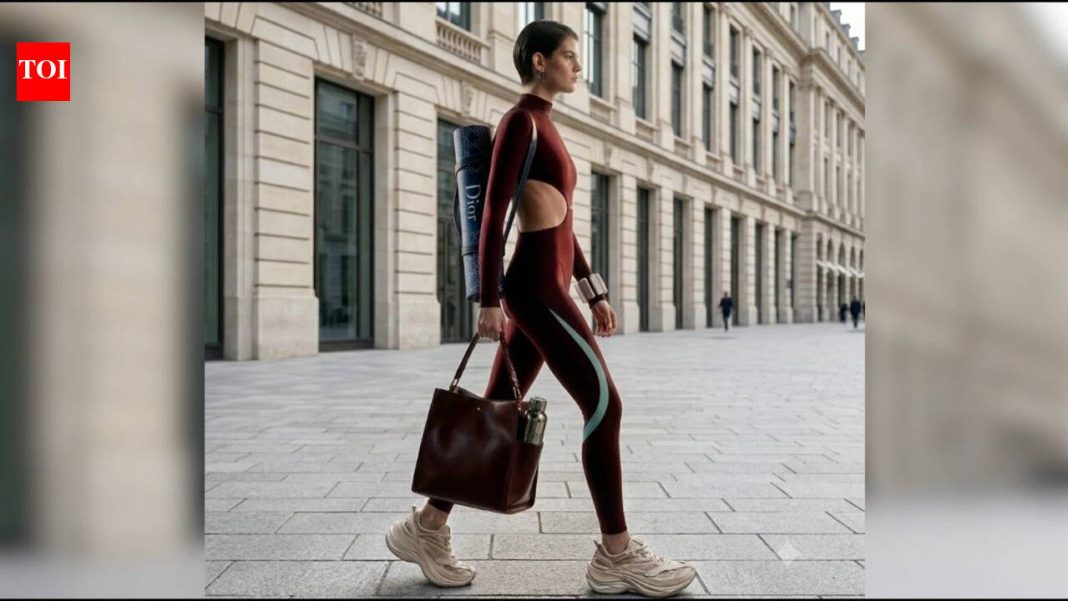

Luxury is no longer defined only by what you own. Increasingly, it is defined by how you live and luxury brands want to become part of that life. Among the strongest recent examples are reports that LVMH-backed private equity firm L Catterton is in talks to acquire a stake in HYROX. Dior launched its Haute Wellness collection in May 2026, featuring yoga mats, resistance bands and weighted wristbands with its signature Cannage motif. In June 2026, Balenciaga introduced TechWear as part of Pierpaolo Piccioli’s Body & Being collection, blending high fashion with performance-driven wellness design. Together, these developments reflect a broader shift. Having the time and resources to train for a marathon, attend wellness retreats or participate in fitness challenges has become a new marker of affluence. As consumers build their identities around discipline, performance and self-improvement, luxury is moving beyond what they wear and into how they train, travel and spend their time.
How fitness became aspirational
Celebrity influence and social media have helped turn fitness into a highly visible marker of success. According to Narayan, when globally recognised figures like David Beckham, Mark Zuckerberg and Virat Kohli publicly talk about fitness, it reinforces the idea that physical performance is part of success.These personalities convey a powerful message: I applied the same winning attitude to my body that I applied to my career. Gupta believes that extensive marketing of gym memberships, wellness retreats and performance gear has encouraged consumers to invest in products and experiences that promise to help them achieve their health goals. Social media has further amplified this shift by making fitness routines, race results, gym memberships, wellness holidays and physical transformations highly visible.“Fitness and wellness have become something people perform online, which has helped create a whole new market around it,” adds Shrivastava.
If customers are spending their time running marathons, competing in HYROX, training, travelling for sporting events and investing in wellness, luxury cannot remain confined to boutiques. Luxury brands have to move from the consumer’s wardrobe into the consumer’s lifestyle
Rajan Narayan, luxury marketing expert
From possessions to performance
Niti Gupta, luxury and design expert, says, “Fitness has become a powerful expression of a consumer’s identity. Without saying a word, it communicates disciplined lifestyle, ambition, focus, purchasing power, and personal style.”For affluent consumers, maintaining a demanding fitness routine can communicate access to professional training, premium facilities, specialised nutrition and wellness experiences. As fashion commentator Shreya Shrivastava points out, “Looking fit now signals that you have the time and money to invest in yourself.”It is also a powerful social currency.Marathons, endurance competitions and demanding training programmes allow people to demonstrate not only what they can afford, but what they have achieved. Rajan Narayan, luxury marketing expert, explains, “Fitness is something you can both achieve and display.Completing a marathon, maintaining an impressive fitness regimen, competing in HYROX, or simply remaining visibly fit at 60 or 70 now has become a considerable social currency. Fitness requires discipline, consistency and time, making it both aspirational and exclusive. Saying ‘I own an expensive handbag’ is one kind of status. Saying ‘I completed a marathon in Berlin’, or ‘I trained for six months for HYROX’, communicates achievement and reflects an investment in building a stronger version of yourself.”
People still want the designer bag or the luxury watch, but now they also want the luxury wellness lifestyle that comes with it. Sports and fitness have become part of that world. If you’re carrying an LV wallet, you might as well be carrying an LV yoga mat, too
Shreya Shrivastava, fashion commentator
From sponsorship to participation
Luxury brands’ relationship with sports is not new. Brands like Ralph Lauren, Louis Vuitton, Prada and Hermès have long been associated with major sporting events such as the Olympics, Wimbledon, Formula 1 and the FIFA World Cup.What has changed is the nature of that relationship. Luxury brands are no longer restricting themselves to sponsoring elite sport or dressing athletes. They are looking for ways in which consumers can actively engage with the brand through fitness.Narayan notes, “For luxury brands, this has become an opportunity to build living brand properties rather than occasional advertising campaigns: branded challenges, athlete communities, digital content, events, collaborations and experiences that consumers can actively participate in and share. A handbag can be purchased once every few years. A fitness lifestyle can create engagement every single day.”The reported L Catterton-HYROX talks are particularly significant because they suggest that participatory fitness is being viewed as a scalable consumer business. Instead of merely associating itself with an established sporting event, luxury capital could become involved in the platform through which people train, compete and build communities.While the reported talks represent a potential investment in participatory fitness, Dior and Balenciaga are entering the space through products. Dior has translated its design codes into equipment used for exercise, mindfulness and recovery, while Balenciaga has positioned performance clothing and wellness as extensions of the luxury wardrobe.