

Published on
July 12, 2026

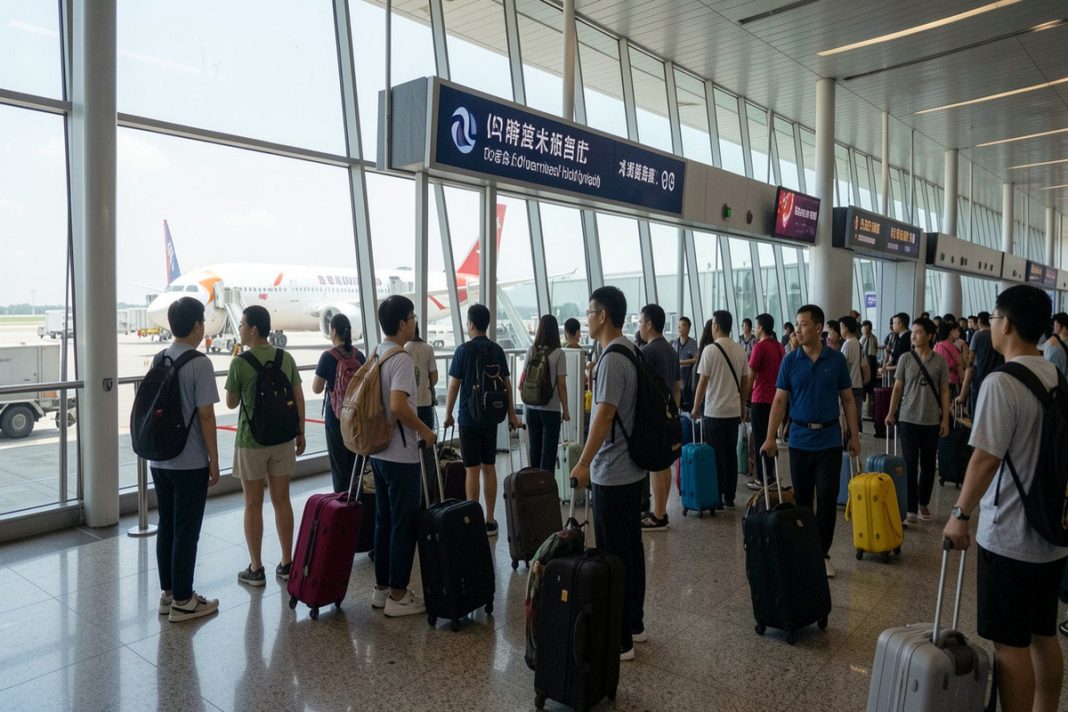
Image generated with Ai
China’s outbound travel market is entering a powerful new growth phase as millions of families and senior travellers drive a record summer tourism surge, with destinations including Singapore, Malaysia, South Korea and other international markets benefiting from rising demand. The shift is being fuelled by stronger travel confidence, affordable flight options, expanding access from smaller Chinese cities and a growing preference for overseas experiences that combine convenience, safety and value. As traveller expectations become more diverse, global destinations are competing to attract Chinese visitors through improved connectivity, family-friendly services, cultural experiences and seamless travel support.
China’s Summer Outbound Travel Boom Enters Peak Season as Families, Students, Seniors and First-Time Travellers Reshape Global Demand
China’s summer outbound travel market has entered its busiest booking period. However, the latest surge is no longer being driven by one broad group of tourists. Demand is spreading across families, university students, senior travellers and residents of smaller cities making their first international journey.
Advance interest in outbound trips for July and August had risen by more than 30 per cent year on year by late May. Parent-child holidays represented about 40 per cent of bookings, confirming that families remain a major force in the market.
Younger travellers are also seeking affordable overseas experiences. Senior tourists are travelling in greater numbers. New customers are emerging from third-tier cities and smaller urban areas where international travel was once considered too expensive or complicated.
This creates a larger but more demanding travel market. Chinese tourists are not selecting destinations simply because they appear attractive. They are comparing airfares, visa access, flight reliability, safety, weather conditions, medical preparation, entry rules and the overall quality of the journey before making a payment.
Advertisement
Advertisement
China’s Summer Outbound Market Becomes More Diverse
China’s outbound travel recovery is entering a more mature phase. First-time outbound air ticket purchases from third-tier and lower-tier cities increased by nearly 20 per cent year on year.
International air ticket bookings among university students aged between 19 and 22 rose by 60 per cent. Travellers aged from 60 to 69 represented about 30 per cent of summer bookings. The number of senior outbound travellers during the first five months of 2026 also increased by nearly 50 per cent compared with the same period a year earlier.
Advertisement
Advertisement
These figures show that the market is being shaped by age, income, travel experience and confidence.
Families may prioritise safe hotels, simple transfers and educational activities. Students may focus on affordable prices, social experiences and shorter trips. Senior travellers often require comfort, clear schedules, accessibility and dependable support. First-time international tourists need straightforward guidance from the moment they begin searching until they arrive at their destination.
Short-Haul Asian Destinations Retain Their Powerful Lead
Nearby Asian destinations continue to dominate China’s summer outbound travel market. South Korea, Thailand, Singapore and Malaysia remain attractive because they combine short flying times, familiar visitor services, competitive prices and family-friendly tourism products.
Affordable airfares are strengthening this advantage. Some Beijing–Seoul fares were available at around RMB800. Selected flights to Bangkok and Kuala Lumpur were priced at slightly above RMB1,000.
Advertisement
Advertisement
At these levels, an international holiday can compete directly with a long-distance domestic journey inside China.
Nearby destinations feel easier to plan, less expensive and less risky for families, students and first-time travellers. Singapore, Malaysia, South Korea, Thailand and Japan also continue to appear strongly among destinations being considered for future overseas trips.
Their ability to convert interest into confirmed bookings will depend on clear entry information, Chinese-language assistance, convenient payment systems, flexible reservations and reliable airport-to-hotel transport.
Smaller Chinese Cities Create a Fresh Wave of Demand
Outbound travel is spreading beyond Beijing, Shanghai, Guangzhou, Shenzhen and other major metropolitan centres.
First-time international flight purchases from third-tier and smaller cities rose by nearly one fifth. Overseas hotel reservations from some smaller urban markets increased by approximately 50 per cent.
This suggests that international travel is becoming more accessible to households that once viewed an overseas holiday as too costly, confusing or difficult to arrange.
Advertisement
Advertisement
Thailand, South Korea and Indonesia could benefit strongly from this shift. These destinations offer relatively short routes, familiar tourism products, broad accommodation choices and itineraries that can be completed without complicated planning.
However, new outbound travellers often require more practical support than experienced international tourists.
They want to know which documents to carry, how to complete arrival procedures, how to travel from the airport, how to pay locally, where to stay and which attractions must be booked in advance.
Destinations and travel companies that answer these questions clearly can turn curiosity into confidence and confidence into confirmed sales.
Family Holidays Become More Educational and Experience-Led
Families remain one of the strongest summer travel segments, but their priorities are changing.
Many parents now want holidays that combine leisure with education, culture, nature and personal development. Standard sightseeing tours and shopping trips may no longer be enough to secure a booking.
Advertisement
Advertisement
Museums, international summer camps, wildlife activities, university visits and structured learning programmes are becoming more important. Summer flight bookings for Chiang Mai increased fivefold, supported by demand for school camps, elephant experiences, riding programmes and tennis training.
This trend gives destinations an opportunity to sell more than a basic package.
Family itineraries can include cultural workshops, nature-based learning, museum programmes and activities designed for different age groups. Hotels can introduce larger family rooms, child-friendly meals, supervised activities and more flexible services.
The strongest family products will reduce pressure on parents while giving children an experience that feels enjoyable, useful and memorable.
University Students Accelerate Affordable Experience Travel
University students are emerging as one of the fastest-growing groups in China’s outbound travel market.
International flight bookings among travellers aged between 19 and 22 increased by 60 per cent year on year. Seoul, Bangkok and Singapore were among their leading destination choices. Visa-free island destinations also attracted attention from students planning graduation holidays.
Advertisement
Advertisement
Students plan their trips differently from families and senior travellers. They rely heavily on travel applications, short videos, social media platforms, peer recommendations and rapid price comparisons.
Many begin building a destination shortlist long before they purchase an air ticket. This means destinations and travel brands must reach them during the inspiration and research stages.
Visual itineraries, affordable travel packages, public transport guidance, mobile payment advice and easy-to-save content can influence their decisions. Flexible travel dates and transparent prices are particularly important because students often have limited budgets and fixed holiday periods.
Long-Haul Destinations Need a Stronger Reason to Visit
Short-haul Asia continues to lead in overall volume, but long-haul destinations are gaining momentum through culture, nature, sporting events and seasonal experiences.
European cities are attracting Chinese travellers through major museums, historic landmarks, religious buildings and famous architecture. Search interest in leading galleries, cathedrals and heritage attractions has risen sharply.
This indicates that some Chinese visitors are moving beyond simple checklist sightseeing. They are showing greater interest in cultural depth, interpretation and meaningful destination experiences.
Advertisement
Advertisement
Australia and New Zealand are benefiting from cooler weather, open landscapes, wildlife and outdoor activities. These destinations can also appeal to families seeking longer and more structured holidays.
The Americas could receive additional attention from major international sporting events and easier visa access in selected destinations. Rising bookings to Brazil and Peru also point to growing Chinese interest in South America.
For long-haul markets, the additional distance and expense must be justified by a clear and powerful experience. Culture, sport, education, nature and rare seasonal events can provide that reason. However, these attractions must be supported by stable flights, clear visa guidance and practical itineraries.
Safety and Preparation Now Shape Booking Decisions
Rising demand does not mean Chinese travellers are booking without caution.
Safety, healthcare, weather, documentation and flight reliability have become central parts of the decision-making process.
Travellers are checking passport validity, available visa pages, visa-free entry conditions, return tickets, hotel confirmations, financial evidence and itinerary documents.
Advertisement
Advertisement
Families travelling with children may also require birth certificates and parental consent letters. Insurance, medical preparation, extreme heat, heavy rain, lightning risks, airport congestion and possible flight disruption are receiving greater attention.
Travel brands should not treat this information as a minor customer-service matter.
Reassurance is now part of the sales process. Companies that explain risks clearly, provide current guidance and offer practical solutions can build trust before travellers reach the payment page.
Travel Companies Must Sell Confidence as Well as Holidays
The strongest opportunity in China’s summer outbound market lies in helping people feel ready to travel.
Families need dependable services and educational value. Students need affordable prices and shareable experiences. First-time travellers require step-by-step support. Senior tourists need comfort, accessibility and confidence in service quality.
Flights often represent the first major financial commitment. Once an air ticket has been purchased, spending can quickly spread to hotels, attractions, travel insurance, restaurants, local transport and airport retail.
Advertisement
Advertisement
Travel brands should therefore connect their offers to the flight-booking stage instead of waiting until the rest of the journey has already been arranged.
China’s summer outbound peak is not simply a rise in passenger numbers. It represents a structural change in who is travelling, what they expect and how they make decisions.
Destinations and travel companies that successfully combine affordability, valuable experiences, practical assistance and reassurance will be best placed to capture this fast-moving wave of Chinese outbound demand.
Advertisement
Advertisement